Compare · OES Spectrometers
CS995 vs CS996 — JIEBO carbon & sulfur analyzer comparison
Both the CS995 and CS996 are JIEBO high-frequency infrared carbon and sulfur analyzers using the same combustion-and-IR-absorption method. They split on layout and concentration coverage: the CS995 is a bench-type unit with a 2.2 kW furnace and one C + one S cell, sized for tight bench space and moderate workloads. The CS996 is a floor-standing operating-table workstation with a 2.5 kW furnace, expandable cells and a wider range — better when the plant runs ultra-low-carbon steel and high-carbon cast iron on the same instrument.
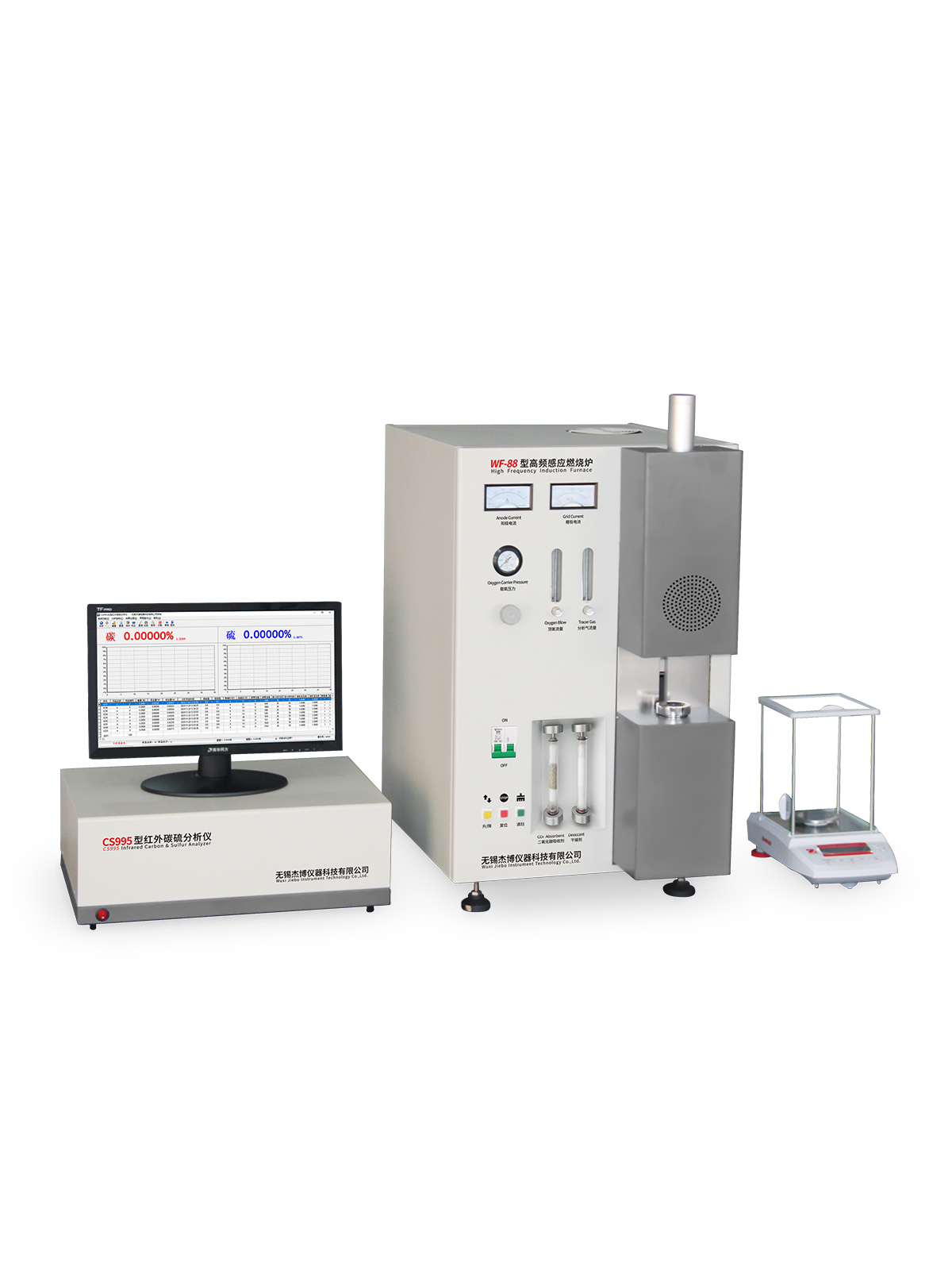
JIEBO-CS995
CS995
Bench-type C/S analyzer — 2.2 kW furnace, 115 kg, bench footprint
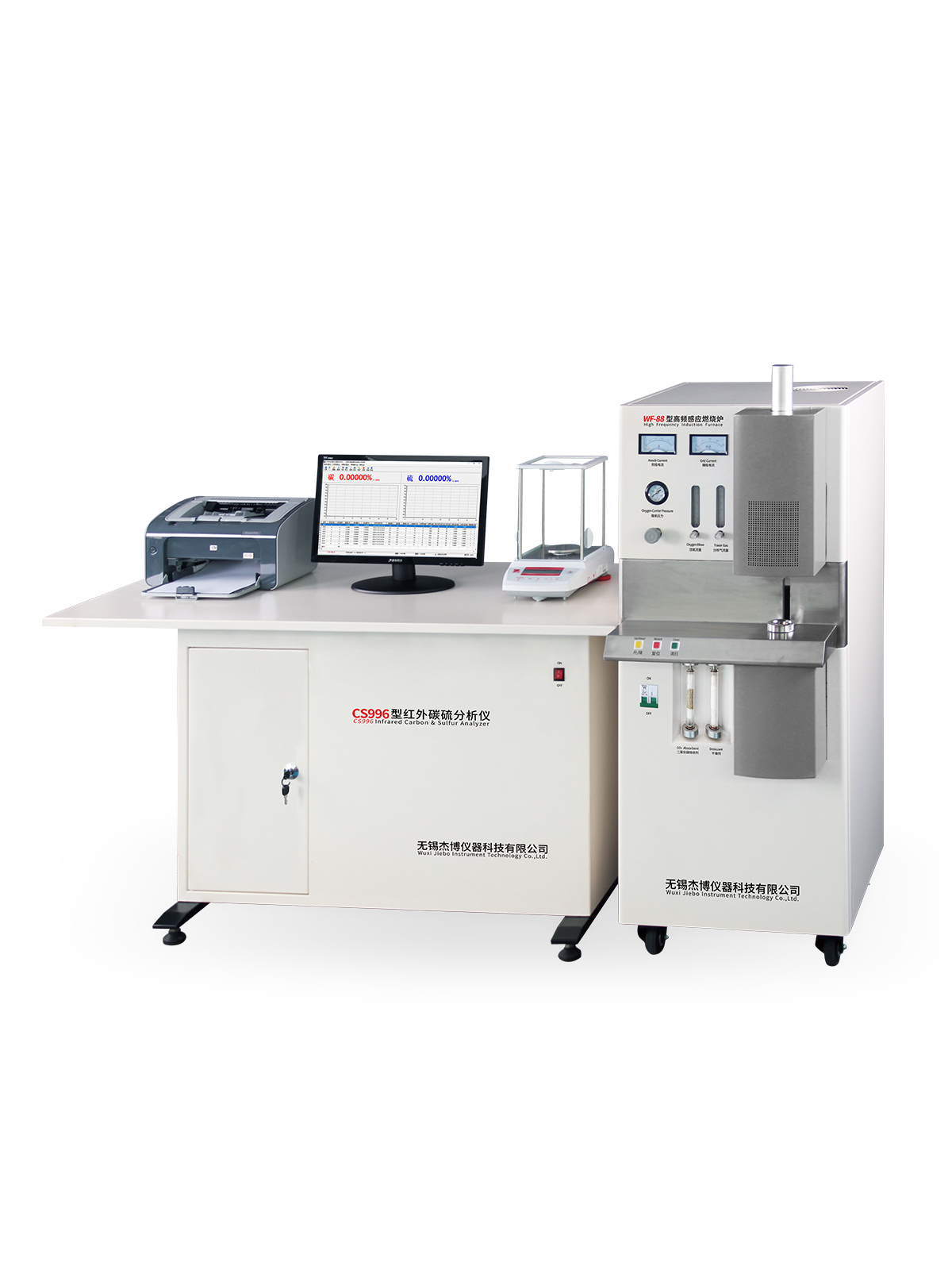
JIEBO-CS996
CS996
Floor-standing workstation — 2.5 kW furnace, 215 kg, expandable cells
Specifications
| CS995 | CS996 | |
|---|---|---|
| Detection range | C 0.0005–6.0000 %; S 0.0005–0.3500 % | C 0.0001–10.0000 %; S 0.0001–2.0000 % |
| Detection cells | One C + one S pool | One C + one S (expandable low-C / high-S cells) |
| Furnace power | 2.2 kW | 2.5 kW |
| Analyzing time | 30–60 s per sample | 30–60 s per sample |
| Dimensions (L × W × H) | 530 × 370 × 195 mm (detector) | 1360 × 610 × 770 mm + 680 × 510 × 1260 mm |
| Weight | 115 kg | 215 kg |
| Best for | Bench QC, moderate throughput | High-throughput, mixed-grade workloads |
When to choose which
Choose CS995 when
- Workload is moderate (tens to low hundreds of samples per day) and your concentration range stays within 0.0005 % up
- Bench space and 220 V power capacity are the binding constraints — the 115 kg bench detector fits a standard QC bench
- Budget is tighter; the 2.2 kW furnace covers typical foundry, ferro-alloy and ore-processing C/S work without paying for the CS996 workstation
- You don't need expandable low-carbon or high-sulfur cells — the standard C and S pools cover your grades
Choose CS996 when
- Your plant runs grades from ultra-low-carbon steel (C < 0.001 %) to high-carbon cast iron on the same instrument — the wider range matters daily
- You expect to add low-carbon or high-sulfur cells later; the CS996 cell expansion is factory- or field-installable
- Throughput is high (continuous-shift sampling) and the integrated worktable layout improves operator ergonomics over moving between bench / scale / furnace
- Floor space exists for a 215 kg standing workstation and the 2.5 kW furnace power is acceptable on-site
Frequently asked questions
Do the CS995 and CS996 use the same crucibles and accelerator?
Yes. Both use the same ceramic crucibles, tungsten accelerator and reference materials. Operator training, sample preparation and the analysis workflow are interchangeable.
Can I upgrade a CS995 to CS996-level performance later?
No. The furnace power, cell architecture and the integrated worktable layout are platform-level differences. Plants that outgrow a CS995 typically keep it as a backup or for incoming inspection and add a CS996 for production.
Do both meet ISO 15349 / GB/T 20123 for C/S?
Yes. Both are designed against ISO 15349 (steel) and the Chinese GB/T 20123 standard for combustion-IR C/S analysis. The standards specify the method; the choice between bench and workstation is about throughput and range, not compliance.
What argon, oxygen and power infrastructure should I plan for?
Both require 220 V / 50 Hz single-phase power and oxygen carrier gas (typically 3–5 L/min during analysis). The CS996's 2.5 kW furnace needs a slightly higher current capacity at the wall socket — confirm with the site electrician before installation.